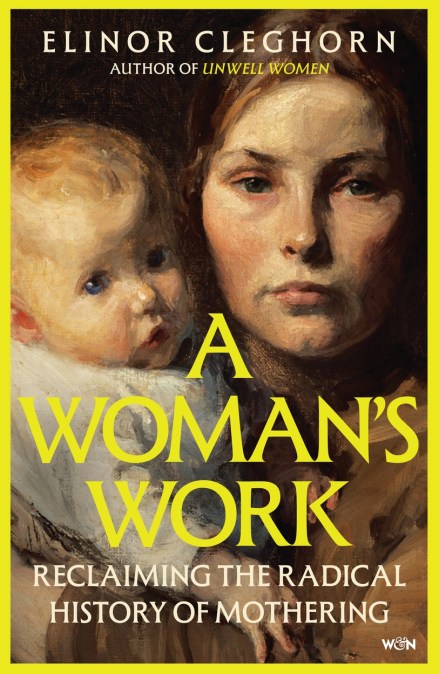
The first comprehensive history of mothers and mothering from antiquity to today, by the acclaimed author of UNWELL WOMEN
‘An essential history’ LEAH HAZARD
‘A perfectly timed and illuminating triumph’ LINDSEY FITZHARRIS
‘This is the book we need right now . . . powerful and astonishing’ MARIANNE LEVY
‘Thoughtful, smart, and, sadly, really bloody urgent’ CLAIRE LYNCH
Mothers make history. For centuries, motherhood has sparked social and political change. Yet the acts of growing, birthing and nurturing children – and the power they hold – have been pushed to the margins, overlooked in our narratives of the past.
In A Woman’s Work, Elinor Cleghorn reveals the mothers, othermothers, midwives, activists, and community leaders who have shaped this extraordinary history. They include Hildegard of Bingen, the medieval nun and mystic with pioneering views about the maternal body; Mary Wollstonecraft, who laid the intellectual groundwork to release motherhood from male control; and Sojourner Truth, who drew attention to the abhorrent treatment of mothers under chattel slavery.
Beginning in the ancient world, we learn how in each era, the patriarchy constructed its own idealised notion of motherhood – from the misogynistic dogma of the early church and the stigmatisation of single mothers in 17th century England all the way through to the post-war myth of the perfectly contented housewife. But we also learn how mothers of all classes and circumstances fought back, and lobbied to be valued, respected and supported – not as reproductive vessels, but as people.
A Woman’s Work is a radical and inspiring new history of mothering, and a timely reminder that the fight for reproductive freedom is far from over.
‘An essential history’ LEAH HAZARD
‘A perfectly timed and illuminating triumph’ LINDSEY FITZHARRIS
‘This is the book we need right now . . . powerful and astonishing’ MARIANNE LEVY
‘Thoughtful, smart, and, sadly, really bloody urgent’ CLAIRE LYNCH
Mothers make history. For centuries, motherhood has sparked social and political change. Yet the acts of growing, birthing and nurturing children – and the power they hold – have been pushed to the margins, overlooked in our narratives of the past.
In A Woman’s Work, Elinor Cleghorn reveals the mothers, othermothers, midwives, activists, and community leaders who have shaped this extraordinary history. They include Hildegard of Bingen, the medieval nun and mystic with pioneering views about the maternal body; Mary Wollstonecraft, who laid the intellectual groundwork to release motherhood from male control; and Sojourner Truth, who drew attention to the abhorrent treatment of mothers under chattel slavery.
Beginning in the ancient world, we learn how in each era, the patriarchy constructed its own idealised notion of motherhood – from the misogynistic dogma of the early church and the stigmatisation of single mothers in 17th century England all the way through to the post-war myth of the perfectly contented housewife. But we also learn how mothers of all classes and circumstances fought back, and lobbied to be valued, respected and supported – not as reproductive vessels, but as people.
A Woman’s Work is a radical and inspiring new history of mothering, and a timely reminder that the fight for reproductive freedom is far from over.
Reviews
[Written] with robust research and eloquent rage...a timely lesson on the dangers of allowing outdated patriarchal attitudes to shape modern public policy.
Cleghorn takes a sweeping view of motherhood... Impressive research informs a vibrantly detailed history
This is the book we need right now, freeing motherhood from history's margins and making it the story. From the Bronze Age to the present day, Cleghorn writes about the fight for mothers "to be cared for, respected, supported and heard" and her book does all of this and so much more. Huge in its scope and precise in its research, A Woman's Work is as powerful and astonishing as motherhood itself.
A perfectly timed and illuminating triumph that consolidates Cleghorn's place among the foremost voices in medical history
An essential history of forgotten lives and labour
Thoughtful, smart, and, sadly, really bloody urgent. If you like your patriarchal systems dismantled with exquisite research and thoughtful personal reflections you'll want one of these
A meticulously researched and rousing history of mothering. A Woman's Work is as informative as it is full of feeling